Is your WiFi signal strong in the living room but disappears the moment you step into the bedroom? You’re not alone. This common frustration is why understanding the roles of a Wifi Router And Extender is crucial for a seamless online experience. A router is the heart of your home network, but sometimes it needs a helping hand to reach every corner. That’s where a WiFi extender comes in, working in tandem with your router to eliminate those annoying dead zones for good.
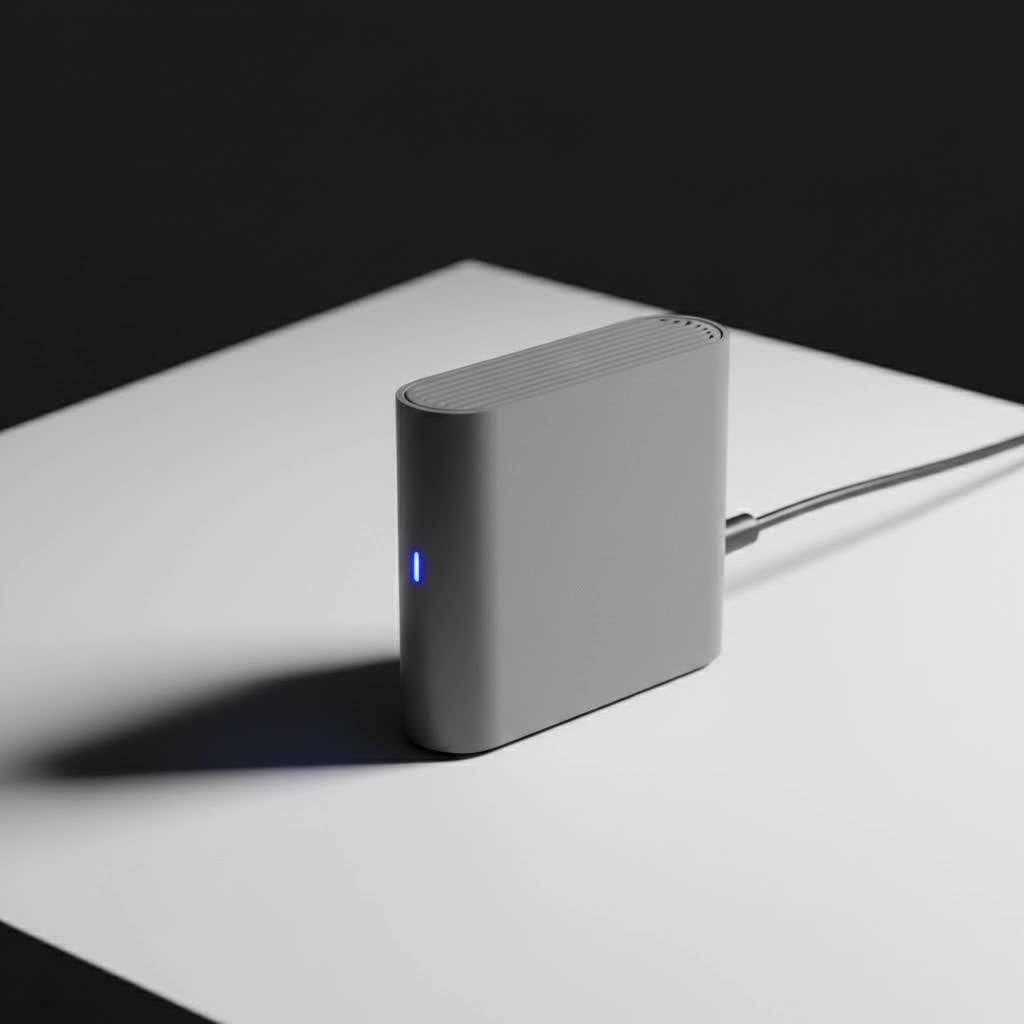
This guide will demystify the relationship between these two essential devices, helping you build a stronger, more reliable home network.
What Exactly is a WiFi Router?
Think of a WiFi router as the main hub of your home’s internet connection. It’s a device that connects to your modem and takes the incoming wired internet signal, converting it into a wireless signal (WiFi). This allows your various devices—like laptops, smartphones, smart TVs, and gaming consoles—to connect to the internet without being physically plugged in.
The Heart of Your Home Network
|
Our Picks for the Best Wifi Extender in 2026
As an Amazon Associate I earn from qualifying purchases.
|
||
| Num | Product | Action |
|---|---|---|
| 1 | Amazon eero 6+ mesh wifi system with 1 month free eero Plus (auto-renews) - Coverage up to 4,500 sq. ft., Connect 75+ devices, 3-pack |

|
| 2 | 2025 WiFi Extenders Signal Booster for Home Long Range Up to 9800 sq. ft & 40 Devices, WiFi Extender Signal Booster, Quick Setup-Medium, Internet Repeater, WiFi Extender |
|
| 3 | TP-Link AC1200 WiFi Extender, 2023 Engadget Best Budget Pick, 1.2Gbps Signal Booster for Home, Dual Band 5GHz/2.4GHz, Covers Up to 1500 Sq.ft and 30 Devices,Support Onemesh, One Ethernet Port (RE315) |
|
| 4 | TP-Link AX3000 WiFi 6 Range Extender - PCMag Editor\'s Choice - Dual-Band Wireless Repeater w/Ethernet Port - Up to 2400 Sq. Ft., 64 Devices - Internet Signal Booster - APP Setup - EasyMesh (RE715X) |
|
| 5 | TP-Link AC1900 WiFi Range Extender RE550 - Dual-Band Wireless Repeater Amplifier w/Gigabit Ethernet Port - Up to 2200 Sq. Ft., 32 Devices - Internet Signal Booster - APP Setup - EasyMesh Compatible |
|
| 6 | Amazon eero 7 with 1 month free eero Plus (auto-renews) - Supports internet plans up to 2.5 Gbps, Coverage up to 2,000 sq. ft., Connect 120+ devices, 1-pack |
|
| 7 | 2025 Fastest WiFi Extender, WiFi Repeater, WiFi Booster, Covers Up to 10000 Sq.ft and 80 Devices, Internet Booster - with Ethernet Port, Quick Setup, Home Wireless Signal Booster |
|
| 8 | WiFi Extender, WiFi Extenders Signal Booster for Home Up to 5000 sq.ft and 50 Devices, WiFi Range Extender, Wireless Repeater, Long Range Amplifier with Ethernet Port, 1-Tap Setup, Alexa Compatible |
|
| 9 | Amazon eero 6 mesh wifi extender with 1-month free eero Plus (auto-renews) - Add up to 1,500 sq. ft. of Wi-Fi 6 coverage to your existing eero mesh wifi network |
|
| 10 | WiFi Extender with 4 Antennas 1200Mbps - Dual Band 5GHz/2.4GHz, WiFi Extender Signal Booster with 3 Modes Support, WiFi Repeater with 12880 Sq.ft 105 Devices, Easy Set Up for Home |
|
The router manages all the traffic between your devices and the internet. It creates and maintains your local area network (LAN), assigning a unique IP address to each connected device so that data gets sent to the right place. The performance of your router directly impacts the speed and stability of your entire network. A modern, powerful router can handle more devices and provide faster speeds over a larger initial area.
And What is a WiFi Extender?
A WiFi extender, sometimes called a WiFi repeater or booster, is a secondary device that helps expand the coverage of your existing WiFi network. It’s not a replacement for your router but an accessory designed to solve a specific problem: weak signals in certain parts of your home or office.
Your Network’s Helping Hand
Here’s how it works: you place the extender in a location where it can still receive a decent signal from your main router. The extender then captures that signal, amplifies it, and rebroadcasts it to the surrounding area. This effectively extends the reach of your network into previously hard-to-reach spots, like a basement, an upstairs bedroom, or even the backyard.
“Many people mistakenly blame their internet provider for slow speeds when the real culprit is poor WiFi coverage within their own home. A well-placed WiFi extender is often the most cost-effective solution to this problem,” notes network specialist, David Chen.
Key Differences: WiFi Router and Extender
While they work together, a router and an extender serve fundamentally different purposes. The router creates the network, while the extender expands it. Understanding these differences is key to diagnosing and fixing your WiFi issues.
| Feature | WiFi Router | WiFi Extender |
|---|---|---|
| Primary Function | Creates and manages the wireless network. | Extends the range of an existing wireless network. |
| Connection to Internet | Connects directly to the modem. | Connects wirelessly to the router. |
| Network Name (SSID) | Broadcasts its own unique network name. | Often broadcasts a separate network name (e.g., “HomeWiFi_EXT”). |
| Signal Source | Originates the WiFi signal. | Captures and rebroadcasts an existing signal. |
| Use Case | Essential for any home with internet service. | Optional; used to cover dead zones. |
Do You Really Need a WiFi Extender?
Before you rush out to buy one, it’s important to determine if an extender is the right solution for you. You likely need an extender if you experience:
- Dead Zones: Areas in your home where the WiFi signal is completely non-existent.
- Weak Signals: Rooms where the connection is constantly dropping or incredibly slow.
- Large or Multi-Story Homes: The signal from a single router may struggle to cover the entire area due to distance and obstacles.
- Physical Obstructions: Thick walls made of concrete, brick, or metal can significantly block WiFi signals.
However, if your internet is slow everywhere, even right next to the router, the problem might be your internet plan or the router itself, not the signal range. In that case, a wifi router and extender combo won’t fix the root issue.
How to Set Up Your WiFi Router and Extender
Setting up your devices is usually a straightforward process. While specific steps can vary by manufacturer, the general principles are the same.
Step-by-Step Installation Guide
- Set Up the Router First: Ensure your primary WiFi router is fully set up, connected to the modem, and broadcasting a stable internet signal.
- Find the Optimal Location for the Extender: This is the most critical step. The extender needs to be placed in a spot that is roughly halfway between your router and the dead zone. It must be close enough to the router to pick up a strong, stable signal to rebroadcast. Most extenders have an indicator light to help you find the sweet spot.
- Power On the Extender: Plug the extender into a power outlet.
- Connect to the Extender: Use your smartphone or laptop to connect to the extender’s default WiFi network. The name will be in the instruction manual (e.g., “Netgear_EXT”).
- Access the Setup Wizard: Open a web browser, and it should automatically direct you to the extender’s setup page. If not, you’ll need to type in the default web address provided in the manual (like
mywifiext.net). - Configure the Extender: The on-screen instructions will guide you through selecting your main router’s WiFi network from a list and entering its password. This allows the extender to connect to your primary network.
- Create the Extended Network: You will be prompted to set a name (SSID) and password for the new, extended network. It’s often helpful to give it a distinct name (like “UpstairsWiFi”) so you can manually choose which network to connect to.
- Reconnect Your Devices: Once setup is complete, you can connect your devices in the former dead zone to the new extended network.
Pro Tips for Optimal Performance
Simply plugging in an extender isn’t always enough. To get the best performance from your wifi router and extender setup, follow these tips:
- Placement is Everything: Avoid placing the extender behind furniture, in a cabinet, or near large metal objects or appliances like microwaves, which can interfere with the signal.
- Update Your Firmware: Regularly check for and install firmware updates for both your router and your extender. These updates often include performance improvements and security patches.
- Use a WiFi Analyzer App: Use a mobile app to map the signal strength throughout your home. This can help you pinpoint the exact edge of your router’s coverage to find the perfect spot for the extender.
- Consider a Wired Connection: Some extenders have an Ethernet port. For a stationary device like a desktop PC or gaming console, you can run an Ethernet cable from the extender to the device for a more stable connection.
Is a Mesh System a Better Alternative?
In recent years, mesh WiFi systems have emerged as a popular alternative to the traditional wifi router and extender setup. A mesh system consists of a main router and several satellite “nodes” that you place around your home. They all work together to create a single, seamless WiFi network with one name and password. Your devices automatically switch to the strongest node as you move around.
Mesh systems are generally more expensive but offer better performance and convenience, especially for very large or complex homes. For smaller homes with just one or two stubborn dead zones, a simple extender is often a more budget-friendly and perfectly adequate solution.
Frequently Asked Questions (FAQ)
Can any WiFi extender work with any router?
Yes, virtually all modern WiFi extenders are designed to be universally compatible with any standard WiFi router, regardless of the brand.
Does a WiFi extender slow down your internet speed?
A WiFi extender works by rebroadcasting a signal, which inherently introduces some latency. This means the speed on the extended network will typically be slower than the speed on your primary router’s network. However, a slower but stable connection is much better than an unusable or non-existent one.
How far can a WiFi extender reach?
The range of an extender varies greatly depending on the model and environmental factors like walls and interference. A typical extender can add anywhere from 300 to 2,000 square feet of coverage.
Can I use more than one WiFi extender?
Yes, you can use multiple extenders, but it is generally not recommended. “Daisy-chaining” extenders (connecting an extender to another extender’s signal) can significantly degrade performance and create a complicated network. If you need that much coverage, a mesh WiFi system is a much better option.
What is the difference between a WiFi extender and a WiFi booster?
The terms “extender,” “repeater,” and “booster” are often used interchangeably by manufacturers and marketers. They all refer to the same type of device that extends the range of your WiFi signal.
Conclusion
A reliable internet connection is no longer a luxury—it’s a necessity. By understanding the distinct roles of a wifi router and extender, you can take control of your home network. The router is your foundation, creating the wireless signal that powers your digital life. The extender is your specialist tool, called in to stretch that signal to every nook and cranny. By strategically combining these two devices, you can eliminate frustrating dead zones and enjoy a smooth, stable connection throughout your entire home.
