Are you tired of playing a frustrating game of hide-and-seek with your WiFi signal? You move to the living room, and the connection is perfect for streaming. But the moment you step into your home office or the upstairs bedroom, the signal vanishes into thin air. These dreaded “dead zones” are a common headache in modern homes. Fortunately, there’s a simple and effective solution that doesn’t require a degree in network engineering: the Plug In Wifi Extender. This compact device is designed to pick up your existing WiFi signal and give it the boost it needs to reach the farthest corners of your home.
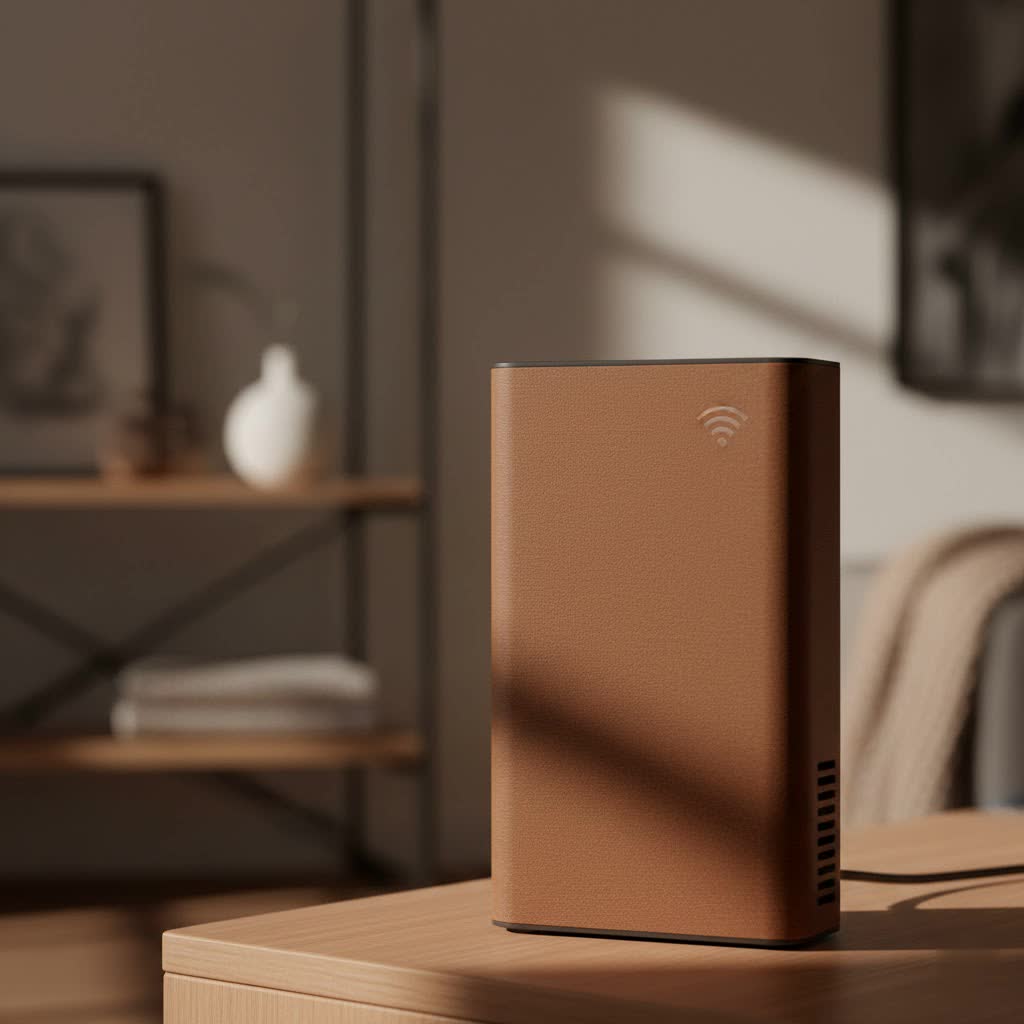
As the lead content creator for TVCSP.com, with over a decade and a half of hands-on experience with network hardware, I’ve seen these devices evolve from niche gadgets to essential home networking tools. Let’s dive deep into everything you need to know about them.
What Exactly Is a Plug In WiFi Extender?
Think of a WiFi extender as a relay runner for your internet signal. It’s a small device that plugs directly into a standard electrical outlet. Its job is twofold: first, it captures the existing wireless signal from your main router. Second, it rebroadcasts that signal on a new, extended channel, effectively increasing the overall coverage area of your network.
This process helps to blanket your entire home with a reliable connection, eliminating those frustrating dead spots where your signal used to drop. It’s not creating a new internet connection; it’s simply extending the one you already have.
How Does It Work?
|
Our Picks for the Best Wifi Extender in 2026
As an Amazon Associate I earn from qualifying purchases.
|
||
| Num | Product | Action |
|---|---|---|
| 1 | 2025 Fastest WiFi Extender, WiFi Repeater, WiFi Booster, Covers Up to 10000 Sq.ft and 80 Devices, Internet Booster - with Ethernet Port, Quick Setup, Home Wireless Signal Booster |

|
| 2 | TP-Link AC1200 WiFi Extender, 2023 Engadget Best Budget Pick, 1.2Gbps Signal Booster for Home, Dual Band 5GHz/2.4GHz, Covers Up to 1500 Sq.ft and 30 Devices,Support Onemesh, One Ethernet Port (RE315) |
|
| 3 | TP-Link AC1900 WiFi Range Extender RE550 - Dual-Band Wireless Repeater Amplifier w/Gigabit Ethernet Port - Up to 2200 Sq. Ft., 32 Devices - Internet Signal Booster - APP Setup - EasyMesh Compatible |
|
| 4 | WiFi Extender with 4 Antennas 1200Mbps - Dual Band 5GHz/2.4GHz, WiFi Extender Signal Booster with 3 Modes Support, WiFi Repeater with 12880 Sq.ft 105 Devices, Easy Set Up for Home |
|
| 5 | TP-Link AX3000 WiFi 6 Range Extender - PCMag Editor\'s Choice - Dual-Band Wireless Repeater w/Ethernet Port - Up to 2400 Sq. Ft., 64 Devices - Internet Signal Booster - APP Setup - EasyMesh (RE715X) |
|
| 6 | WiFi Extender, WiFi Extenders Signal Booster for Home Up to 5000 sq.ft and 50 Devices, WiFi Range Extender, Wireless Repeater, Long Range Amplifier with Ethernet Port, 1-Tap Setup, Alexa Compatible |
|
| 7 | Amazon eero 6+ mesh wifi system with 1 month free eero Plus (auto-renews) - Coverage up to 4,500 sq. ft., Connect 75+ devices, 3-pack |
|
| 8 | 2025 WiFi Extenders Signal Booster for Home Long Range Up to 9800 sq. ft & 40 Devices, WiFi Extender Signal Booster, Quick Setup-Medium, Internet Repeater, WiFi Extender |
|
| 9 | Amazon eero 6 mesh wifi extender with 1-month free eero Plus (auto-renews) - Add up to 1,500 sq. ft. of Wi-Fi 6 coverage to your existing eero mesh wifi network |
|
| 10 | Amazon eero 7 with 1 month free eero Plus (auto-renews) - Supports internet plans up to 2.5 Gbps, Coverage up to 2,000 sq. ft., Connect 120+ devices, 1-pack |
|
A plug in WiFi extender contains two main wireless antennas. One is a receiver that listens for the signal from your primary router. Once it picks up that signal, it passes it to the second antenna, a transmitter, which then broadcasts the amplified signal outward. This is why placement is so critical—the extender needs to be in a location where it can still receive a strong, stable signal from the router to be effective.
The Pros and Cons of Using a Plug In WiFi Extender
Like any technology, extenders come with their own set of advantages and limitations. Understanding these will help you decide if it’s the right choice for your home.
Advantages
- Ease of Installation: This is their biggest selling point. Most models can be set up in minutes. You plug it in, press the WPS (WiFi Protected Setup) button on the extender and your router, and you’re good to go.
- Affordability: Compared to more complex solutions like mesh WiFi systems, a plug in WiFi extender is a very budget-friendly way to improve your network coverage.
- Compact and Discreet: Because they plug directly into the wall, they don’t take up shelf space or create cable clutter. Their small size makes them easy to place without being an eyesore.
- Universal Compatibility: WiFi extenders are designed to work with any standard WiFi router, so you don’t need to worry about matching brands.
Disadvantages
- Potential Speed Reduction: An extender communicates with the router and your devices on the same frequency band. This process of receiving and rebroadcasting can effectively cut the available bandwidth in half. While modern dual-band extenders mitigate this, it’s a factor to consider.
- Separate Network Name (SSID): Many extenders create a new network name, often your original network name with “_EXT” added to the end. This means you may have to manually switch between networks as you move around your house.
- Placement is Everything: If you place the extender in a dead zone, it has no signal to extend. If you place it too close to the router, it won’t provide any meaningful coverage boost. Finding the perfect middle ground is essential.
“A common mistake people make is placing the extender in the room with the worst signal,” notes David Chen, a network engineer with TVCSP.com. “You need to place it in a location that gets a good signal from the router, so it has something strong to broadcast to the weaker areas.”
How to Set Up Your Plug In WiFi Extender: A Simple Guide
Getting your extender up and running is usually a straightforward process. While the exact steps can vary by manufacturer, here is the general method that applies to most devices.
- Unbox and Plug In: Start by plugging the extender into a power outlet in the same room as your main WiFi router. This makes the initial pairing process easier.
- Wait for the Power Light: Give the device a minute or two to boot up. A solid power light (usually green) will indicate it’s ready.
- Use the WPS Method (Easiest):
- Press the WPS button on your main router.
- Within two minutes, press the WPS button on your plug in WiFi extender.
- The lights on the extender will blink and then should turn solid, indicating a successful connection.
- Find the Optimal Location: Unplug the extender and move it to a new location. The ideal spot is roughly halfway between your router and the WiFi dead zone. The extender should have a signal strength indicator light to help you find a location where it still receives a good signal from the router.
- Connect Your Devices: Once placed, you can connect your smartphones, laptops, and other devices to the new extender network (e.g., “MyHomeNetwork_EXT”). Use the same password as your main router.
- Test Your Connection: Go to the area that previously had a poor signal and test your connection. You should see a significant improvement in signal strength and speed.
Tips for Optimizing Your Extender’s Performance
To get the most out of your plug in WiFi extender, a little fine-tuning can go a long way.
- Avoid Physical Obstructions: Place the extender in an open area, away from thick concrete walls, large metal appliances (like refrigerators), and fish tanks, all of which can interfere with WiFi signals.
- Update the Firmware: Just like your router, extenders have firmware that manufacturers update to improve performance and security. Check the manufacturer’s website periodically for updates.
- Use the Ethernet Port: Many plug in extenders come with an Ethernet port. For stationary devices like a gaming console, smart TV, or desktop PC, plugging them directly into the extender with an Ethernet cable can provide a more stable and faster connection.
- Choose the Right Band: If you have a dual-band extender, you can sometimes manually select which band to use. Use the 5GHz band for faster speeds over shorter distances and the 2.4GHz band for better coverage over longer distances.
Are Plug In WiFi Extenders Worth It in 2025?
In a world with increasingly popular mesh WiFi systems, is there still a place for the humble plug in WiFi extender? Absolutely.
A plug in WiFi extender is the perfect solution for smaller to medium-sized homes with one or two specific dead zones. If you’re generally happy with your router but just need to push the signal to a back bedroom or a basement office, an extender is a cost-effective and simple fix.
However, if you live in a very large, multi-story home with widespread connectivity issues, a mesh WiFi system—which uses multiple satellite nodes to create a single, seamless network—might be a better long-term investment.
Frequently Asked Questions (FAQ)
Do plug in extenders reduce WiFi speed?
Yes, they can. Because they have to receive and then rebroadcast a signal, some bandwidth is lost in the process. This effect is less noticeable with modern dual-band extenders but is an inherent part of how the technology works.
Where is the best place to put a WiFi extender?
The optimal location is about halfway between your main router and the area you want to provide coverage for. It needs to be close enough to the router to get a strong signal but far enough away to extend the network’s reach effectively.
Can I use two WiFi extenders at once?
While technically possible, it is not recommended. Chaining multiple extenders can lead to significant speed degradation and create a complex, unreliable network. If you need that much coverage, a mesh system is a much better option.
How do I know if my WiFi extender is working?
Most extenders have indicator lights that show their connection status to the router. Additionally, you can use a WiFi signal strength app on your phone to walk around your house and see if the signal is stronger in the previously dead zones.
Does the extender need to be the same brand as my router?
No, WiFi extenders are designed based on universal standards (like WiFi 5 or WiFi 6) and will work with any brand of router.
Your Solution to a Better Connection
A plug in WiFi extender is a powerful yet simple tool for anyone looking to eliminate frustrating WiFi dead zones. With its easy setup, affordable price, and compact design, it offers an immediate and effective way to ensure a strong, reliable signal throughout your home. By understanding how to place it correctly and optimize its settings, you can say goodbye to buffering videos and dropped connections for good. Now, go ahead and enjoy seamless connectivity in every room.
