Are you tired of playing hide-and-seek with your WiFi signal? You’re settled in the coziest corner of your house, ready to stream the season finale, only to be met with the dreaded buffering wheel. We’ve all been there. Those frustrating “dead zones” where the internet seems to vanish are a common household problem. Fortunately, there’s a straightforward and affordable solution: the Wireless Wifi Range Extender. This guide will walk you through everything you need to know, from how they work to setting one up and getting the best possible performance.
What is a Wireless WiFi Range Extender and How Does It Work?
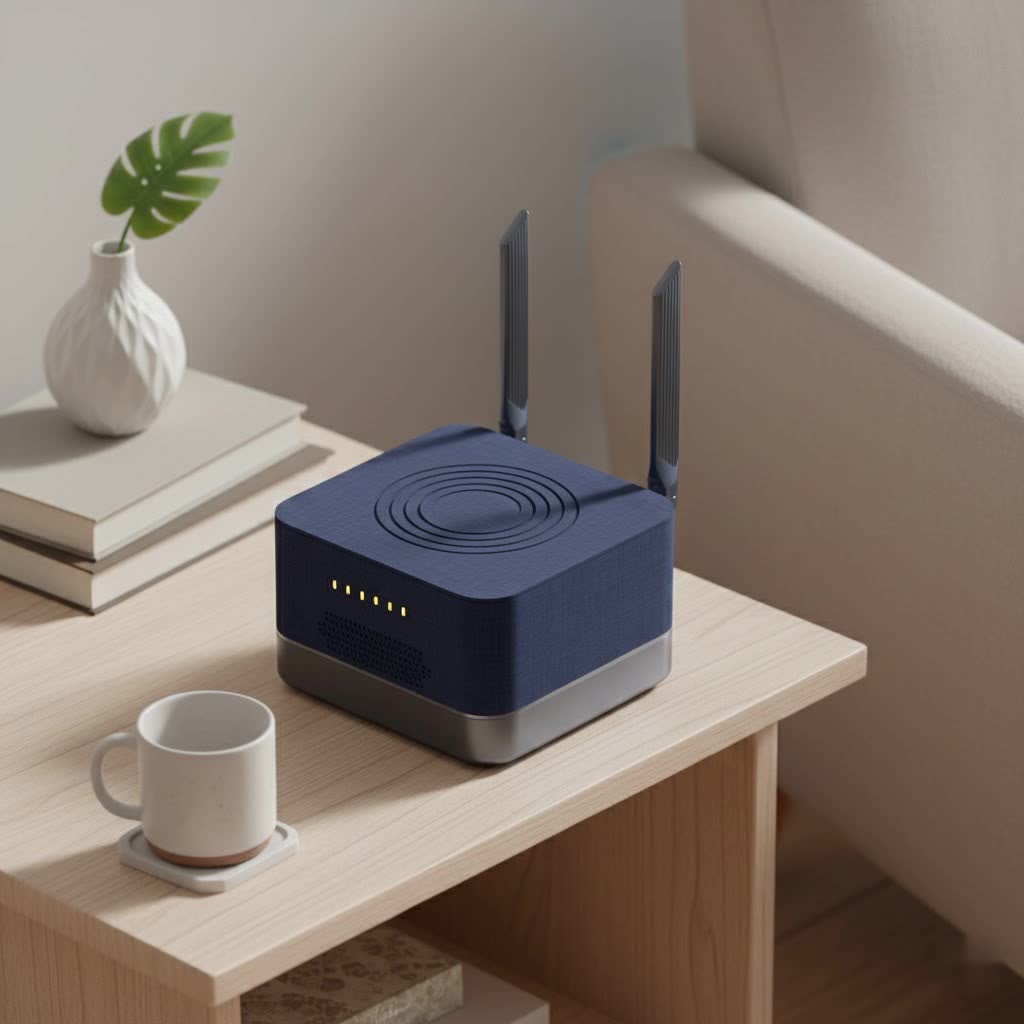
Think of a wireless WiFi range extender, also known as a WiFi repeater or booster, as a relay runner for your internet signal. It captures the existing WiFi signal from your main router and then rebroadcasts it to areas where the signal is weak or non-existent.
Here’s the simple breakdown of its operation:
- It Receives: The extender has internal antennas that “listen” for the wireless signal coming from your router.
- It Amplifies: Once it captures the signal, it strengthens it.
- It Rebroadcasts: The device then transmits this newly amplified signal on a secondary network, effectively creating a bridge between your router and your devices in the dead zone.
This process extends your network’s reach, allowing you to connect laptops, smartphones, and smart home devices from the far corners of your home, basement, or even your backyard.
The Different Types of WiFi Extenders
Not all extenders are created equal. They primarily come in two physical forms, each suited for different needs and environments.
Plug-In Extenders
|
Our Picks for the Best Wifi Extender in 2026
As an Amazon Associate I earn from qualifying purchases.
|
||
| Num | Product | Action |
|---|---|---|
| 1 | TP-Link AC1200 WiFi Extender, 2023 Engadget Best Budget Pick, 1.2Gbps Signal Booster for Home, Dual Band 5GHz/2.4GHz, Covers Up to 1500 Sq.ft and 30 Devices,Support Onemesh, One Ethernet Port (RE315) |

|
| 2 | Amazon eero 7 with 1 month free eero Plus (auto-renews) - Supports internet plans up to 2.5 Gbps, Coverage up to 2,000 sq. ft., Connect 120+ devices, 1-pack |
|
| 3 | Amazon eero 6 mesh wifi extender with 1-month free eero Plus (auto-renews) - Add up to 1,500 sq. ft. of Wi-Fi 6 coverage to your existing eero mesh wifi network |
|
| 4 | TP-Link AC1900 WiFi Range Extender RE550 - Dual-Band Wireless Repeater Amplifier w/Gigabit Ethernet Port - Up to 2200 Sq. Ft., 32 Devices - Internet Signal Booster - APP Setup - EasyMesh Compatible |
|
| 5 | Amazon eero 6+ mesh wifi system with 1 month free eero Plus (auto-renews) - Coverage up to 4,500 sq. ft., Connect 75+ devices, 3-pack |
|
| 6 | 2025 WiFi Extenders Signal Booster for Home Long Range Up to 9800 sq. ft & 40 Devices, WiFi Extender Signal Booster, Quick Setup-Medium, Internet Repeater, WiFi Extender |
|
| 7 | WiFi Extender, WiFi Extenders Signal Booster for Home Up to 5000 sq.ft and 50 Devices, WiFi Range Extender, Wireless Repeater, Long Range Amplifier with Ethernet Port, 1-Tap Setup, Alexa Compatible |
|
| 8 | WiFi Extender with 4 Antennas 1200Mbps - Dual Band 5GHz/2.4GHz, WiFi Extender Signal Booster with 3 Modes Support, WiFi Repeater with 12880 Sq.ft 105 Devices, Easy Set Up for Home |
|
| 9 | 2025 Fastest WiFi Extender, WiFi Repeater, WiFi Booster, Covers Up to 10000 Sq.ft and 80 Devices, Internet Booster - with Ethernet Port, Quick Setup, Home Wireless Signal Booster |
|
| 10 | TP-Link AX3000 WiFi 6 Range Extender - PCMag Editor\'s Choice - Dual-Band Wireless Repeater w/Ethernet Port - Up to 2400 Sq. Ft., 64 Devices - Internet Signal Booster - APP Setup - EasyMesh (RE715X) |
|
These are the most common type you’ll find. They are compact devices that plug directly into a wall outlet, resembling an air freshener. They are incredibly easy to install and are perfect for most homes, offering a discreet way to eliminate dead zones in bedrooms or kitchens. Most models have external antennas that you can adjust to better direct the signal.
Desktop Extenders
Desktop extenders look more like a small router. They are generally larger and more powerful than their plug-in counterparts. These devices often pack more antennas and offer more features, including multiple Ethernet ports for connecting wired devices like gaming consoles or desktop PCs. They require a bit more space on a shelf or desk but can provide a more significant performance boost for larger areas or more demanding tasks.
Pros and Cons of Using a Wireless WiFi Range Extender
While a WiFi extender is a fantastic tool, it’s important to have realistic expectations. Here are the key advantages and disadvantages to consider.
Advantages
- Cost-Effective: Compared to more complex solutions like mesh systems, extenders are an affordable way to improve coverage.
- Easy to Install: Most extenders can be set up in minutes, often with a simple “WPS” button press or through a user-friendly mobile app.
- Universal Compatibility: They are designed to work with almost any standard WiFi router, so you likely won’t need to replace your existing equipment.
- Improved Coverage: Their primary job is to eliminate dead zones, and they do it well, bringing connectivity to previously unreachable spots.
Disadvantages
- Reduced Bandwidth: Because an extender uses half of its bandwidth to communicate with the router, you can typically expect a speed reduction of up to 50% on the extended network.
- Separate Network: Many extenders create a new network (e.g., “MyHomeWiFi_EXT”). This means you may need to manually switch between your router’s network and the extender’s network as you move through your house.
- Placement is Critical: The extender’s performance is highly dependent on its location. Place it too far from the router, and it will have a weak signal to repeat. Place it too close, and it won’t extend the range meaningfully.
Step-by-Step Guide: How to Set Up Your Extender
Getting your wireless WiFi range extender up and running is usually a straightforward process. While specific steps may vary by manufacturer, here is a general guide.
- Initial Placement: For the setup process, plug the extender into a power outlet in the same room as your main WiFi router.
- Power Up: Wait for the power LED on the extender to become solid, indicating it has booted up completely.
- Connect to the Extender: On your computer or smartphone, look for a new WiFi network, often named after the extender’s brand (e.g., “NETGEAR_EXT” or “TP-Link_Extender”). Connect to it.
- Open the Setup Page: Launch a web browser. It should automatically redirect to the extender’s setup page. If not, you can manually type the default web address found in the manual (like
mywifiext.net). - Configure Your Network: The setup wizard will guide you through the process. You’ll be asked to select your existing home WiFi network and enter its password.
- Create the Extended Network: You can now name your new extended network and set a password for it. For simplicity, many people use the same password as their main network.
- Relocate the Extender: Once the setup is complete, unplug the extender and move it to its final location. The ideal spot is roughly halfway between your router and the WiFi dead zone.
- Check the Connection: Look for an indicator light on the extender that shows the signal strength it’s receiving from the router. A solid green or blue light usually means you’ve found a good spot.
Expert Tip from David Chen, TVCSP Lead Technician: “Many people make the mistake of placing their extender in the dead zone itself. Remember, the extender needs to receive a strong signal to be able to rebroadcast one. The halfway point is almost always the sweet spot for optimal performance.”
Tips for Optimizing Your WiFi Extender’s Performance
To get the most out of your wireless WiFi range extender, follow these best practices:
- Find the Goldilocks Zone: Don’t place the extender too close or too far from the router. Use your phone’s WiFi signal indicator to find a location that still has at least two or three bars of signal from the main router.
- Avoid Obstructions: Keep the extender in an open area, away from thick concrete walls, metal objects, and appliances like microwaves or cordless phones, which can cause interference.
- Update the Firmware: Manufacturers regularly release firmware updates to improve performance and security. Check the manufacturer’s website periodically to ensure your device is running the latest version.
- Use the Right Band: If you have a dual-band extender, consider using one band (e.g., 5GHz) to connect the extender to the router and the other band (e.g., 2.4GHz) to connect your devices to the extender. This can sometimes improve performance.
Is a WiFi Extender Right for You? Exploring Alternatives
A wireless WiFi range extender is perfect for smaller homes with one or two specific dead zones. However, if you have a large, multi-story home with widespread connectivity issues, you might want to consider other options.
Mesh WiFi Systems
A mesh system consists of multiple nodes that work together to create a single, seamless WiFi network throughout your entire home. They are more expensive but eliminate the need to switch between networks and provide more consistent speeds than an extender.
Powerline Adapters
These devices use your home’s electrical wiring to transmit the internet signal. A powerline kit comes with two adapters: one plugs in near your router and the other in the room with the dead zone. They can offer a more stable connection, especially where thick walls block WiFi signals.
Frequently Asked Questions (FAQ)
Does a WiFi extender slow down my internet?
Yes, it’s normal to experience a speed reduction of up to 50% on the extended network. The extender has to receive and then retransmit data, which inherently cuts the bandwidth in half for devices connected to it.
Where is the best place to put my wireless WiFi range extender?
The ideal location is approximately halfway between your main router and the area with poor WiFi signal. The extender needs to be within a good signal range of the router to work effectively.
Will a WiFi extender work with any router?
Yes, nearly all modern WiFi extenders are designed to be universally compatible with any standard WiFi router, regardless of the brand.
Can I use two WiFi extenders at the same time?
While you technically can, it’s generally not recommended. “Daisy-chaining” extenders (connecting one extender to another) will significantly degrade performance and create a complex, unreliable network. A mesh WiFi system is a much better solution for large areas.
What’s the difference between a WiFi extender and a WiFi booster?
The terms “extender,” “repeater,” and “booster” are often used interchangeably by manufacturers and retailers. They all refer to a device that takes an existing WiFi signal and rebroadcasts it to increase coverage.
Conclusion
A wireless wifi range extender is an excellent and budget-friendly solution for conquering those annoying WiFi dead zones in your home. By understanding how it works and where to place it, you can dramatically improve your network coverage and enjoy a stable, reliable internet connection in every room. For most households struggling with a weak signal in the bedroom, basement, or backyard, an extender is all you need to get back to seamless streaming, gaming, and browsing.
