Are you tired of staring at a buffering screen in the one room where your WiFi signal just can’t seem to reach? It’s a modern-day frustration we’ve all faced. You invest in high-speed internet, but dead zones in your own home leave you feeling short-changed. This is where a Netgear WiFi extender comes into play, acting as a reliable bridge to bring a strong, stable connection to every corner of your house. As a network specialist with over 15 years of hands-on experience, I’ve installed and troubleshot hundreds of these devices. Let me walk you through everything you need to know to finally eliminate those pesky dead spots for good.
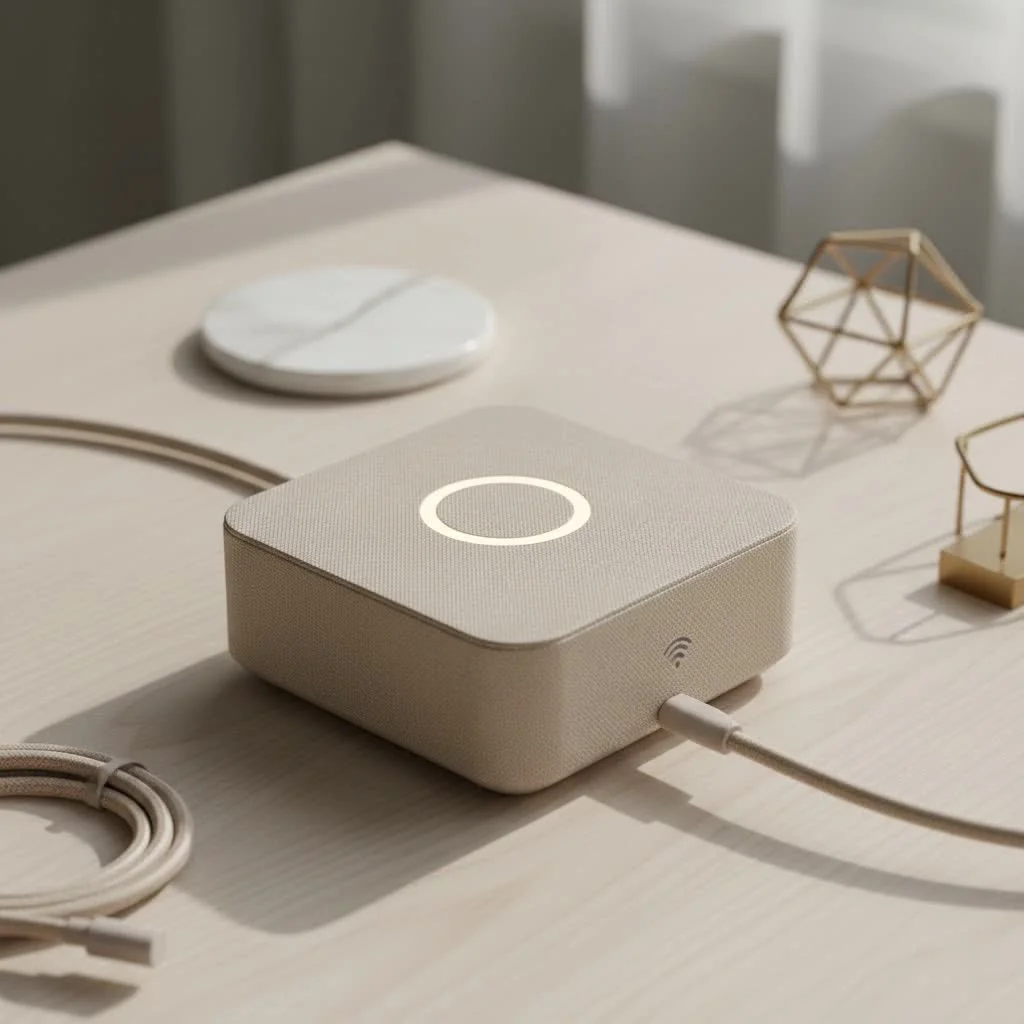
What is a Netgear WiFi Extender and How Does It Work?
Think of a WiFi extender as a signal amplifier for your home network. It captures the existing wireless signal from your main router, boosts it, and then rebroadcasts it to areas where the signal is weak or non-existent. This simple yet effective process extends the reach of your network, ensuring you have reliable coverage whether you’re in the basement, the backyard, or a second-floor bedroom.
Netgear has built a strong reputation in this space, offering a range of extenders from simple plug-in models to high-performance Nighthawk units. The core technology remains the same: it grabs your WiFi signal and gives it the power to go the distance.
Choosing the Right Netgear WiFi Extender
Not all extenders are created equal, and the best one for you depends on your specific needs, the size of your home, and your internet activities.
Key Features to Consider
- Speed and WiFi Standards: Look for models that match or exceed your router’s capabilities. A WiFi 6 (802.11ax) extender, like those in the Netgear AX series, is ideal if you have a WiFi 6 router to take full advantage of faster speeds and better efficiency. For older routers, a WiFi 5 (802.11ac) model will suffice.
- Coverage Area: Netgear specifies the square footage each extender is designed to cover. Be realistic about your home’s size and layout. Brick walls and multiple floors will require a more powerful device.
- Single-Band vs. Dual-Band: A dual-band extender operates on both 2.4GHz and 5GHz frequencies. This is crucial for performance, as it allows the extender to receive data on one band and transmit on the other, a feature Netgear calls FastLane Technology, which can significantly reduce speed loss.
“A common mistake is placing the extender in the actual dead zone,” notes network expert David Chen. “For best results, the extender needs to be placed where it can still receive a strong, stable signal from the main router—typically about halfway between the router and the dead zone.”
How to Set Up Your Netgear WiFi Extender
Netgear has made the setup process remarkably user-friendly. Most people can get their network extended in under ten minutes. There are two primary methods you can use.
Method 1: Using the WPS Button (The Easiest Way)
|
Our Picks for the Best Wifi Extender in 2026
As an Amazon Associate I earn from qualifying purchases.
|
||
| Num | Product | Action |
|---|---|---|
| 1 | TP-Link AC1900 WiFi Range Extender RE550 - Dual-Band Wireless Repeater Amplifier w/Gigabit Ethernet Port - Up to 2200 Sq. Ft., 32 Devices - Internet Signal Booster - APP Setup - EasyMesh Compatible |

|
| 2 | Amazon eero 6 mesh wifi extender with 1-month free eero Plus (auto-renews) - Add up to 1,500 sq. ft. of Wi-Fi 6 coverage to your existing eero mesh wifi network |
|
| 3 | WiFi Extender, WiFi Extenders Signal Booster for Home Up to 5000 sq.ft and 50 Devices, WiFi Range Extender, Wireless Repeater, Long Range Amplifier with Ethernet Port, 1-Tap Setup, Alexa Compatible |
|
| 4 | 2025 WiFi Extenders Signal Booster for Home Long Range Up to 9800 sq. ft & 40 Devices, WiFi Extender Signal Booster, Quick Setup-Medium, Internet Repeater, WiFi Extender |
|
| 5 | TP-Link AC1200 WiFi Extender, 2023 Engadget Best Budget Pick, 1.2Gbps Signal Booster for Home, Dual Band 5GHz/2.4GHz, Covers Up to 1500 Sq.ft and 30 Devices,Support Onemesh, One Ethernet Port (RE315) |
|
| 6 | WiFi Extender with 4 Antennas 1200Mbps - Dual Band 5GHz/2.4GHz, WiFi Extender Signal Booster with 3 Modes Support, WiFi Repeater with 12880 Sq.ft 105 Devices, Easy Set Up for Home |
|
| 7 | Amazon eero 6+ mesh wifi system with 1 month free eero Plus (auto-renews) - Coverage up to 4,500 sq. ft., Connect 75+ devices, 3-pack |
|
| 8 | TP-Link AX3000 WiFi 6 Range Extender - PCMag Editor\'s Choice - Dual-Band Wireless Repeater w/Ethernet Port - Up to 2400 Sq. Ft., 64 Devices - Internet Signal Booster - APP Setup - EasyMesh (RE715X) |
|
| 9 | Amazon eero 7 with 1 month free eero Plus (auto-renews) - Supports internet plans up to 2.5 Gbps, Coverage up to 2,000 sq. ft., Connect 120+ devices, 1-pack |
|
| 10 | 2025 Fastest WiFi Extender, WiFi Repeater, WiFi Booster, Covers Up to 10000 Sq.ft and 80 Devices, Internet Booster - with Ethernet Port, Quick Setup, Home Wireless Signal Booster |
|
This is the simplest method and requires no technical knowledge. WPS stands for Wi-Fi Protected Setup.
- Plug It In: Place the extender in an outlet in the same room as your router for the initial setup.
- Wait for the Power Light: Wait for the power LED on the extender to turn solid green.
- Press the WPS Button: Press the WPS button on the side of your extender.
- Press the Router’s WPS Button: Within two minutes, press the WPS button on your main router.
- Wait for the Connection: The lights on the extender will blink and then turn solid, indicating a successful connection. You can now unplug the extender and move it to its optimal location.
Method 2: Using the Web Browser Installation Assistant
If your router doesn’t have a WPS button or you prefer more control, the manual setup is just as effective.
- Plug In and Connect: Plug the extender into an outlet and wait for the power light to turn green. Then, on your computer or mobile device, connect to the WiFi network named “NETGEAR_EXT.”
- Launch a Web Browser: Open a web browser like Chrome or Firefox. The Netgear installation assistant should automatically launch. If it doesn’t, manually type
mywifiext.netinto the address bar. - Follow the On-Screen Prompts: The assistant will guide you through creating an account and selecting your existing home WiFi network.
- Enter Your WiFi Password: You’ll be prompted to enter the password for your home WiFi network.
- Configure the Extended Network: You can choose to give your new extended network the same name (SSID) as your main network or create a new one. Using the same name allows for more seamless roaming.
- Finalize and Relocate: Once the setup is complete, you can move the extender to a location halfway between your router and the area with poor signal.
Tips for Optimizing Your Extender’s Performance
Getting your Netgear WiFi extender set up is just the first step. To ensure you’re getting the best possible performance, follow these professional tips:
- Find the Sweet Spot: Placement is everything. Use the signal strength indicator lights on your extender to find a location that has a strong connection back to the router. Too far, and it won’t get a good signal to extend; too close, and it won’t reach your dead zones.
- Avoid Obstructions: Keep the extender away from thick walls, large metal objects (like refrigerators), and electronics that can cause interference (like microwave ovens or cordless phones).
- Keep Firmware Updated: Netgear regularly releases firmware updates that include performance improvements and security patches. Check for updates periodically through the web browser interface or the Nighthawk app.
- Use the Right Band: If you have a dual-band extender, connect your high-bandwidth devices (like streaming TVs or gaming consoles) to the faster 5GHz band, and leave the 2.4GHz band for less demanding devices.
Common Netgear WiFi Extender Problems and Solutions
Even the best technology can have hiccups. Here are some common issues and how to resolve them quickly.
Problem: The extender won’t connect to the router.
- Solution: Make sure you are entering the correct WiFi password—it’s case-sensitive. If using WPS, ensure you press the buttons on both devices within the two-minute window. Sometimes, a simple reboot of both the router and the extender can fix the issue.
Problem: The internet speed is very slow through the extender.
- Solution: This is often a placement issue. The extender may be too far from the router. Try moving it closer and use the indicator lights to confirm a solid connection. Also, check for firmware updates, as these can often resolve performance bugs.
Problem: I can’t access the mywifiext.net setup page.
- Solution: First, ensure your device is connected to the extender’s WiFi network (“NETGEAR_EXT”). If you’re still having trouble, try using the extender’s default IP address, which is typically
192.168.1.250.
Frequently Asked Questions (FAQ)
Will a Netgear WiFi extender work with any brand of router?
Yes, Netgear extenders are universally compatible and will work with any standard WiFi router, whether it’s from your internet service provider or another brand like Linksys, TP-Link, or Asus.
Does a WiFi extender cut your internet speed in half?
Traditionally, extenders could reduce speed because they had to use the same wireless band to both receive and transmit data. However, modern Netgear extenders with FastLane or tri-band technology minimize this by using dedicated bands for communication, preserving much more of your original speed.
Where is the absolute best place to put my extender?
The ideal location is approximately halfway between your router and the WiFi dead zone. This spot must have a reliable signal from the router for the extender to amplify effectively.
What is the difference between a Netgear extender and a Mesh WiFi system?
An extender is a single device that repeats a signal, which is great for solving one or two specific dead zones. A mesh system (like Netgear’s Orbi) uses multiple “satellite” units to replace your router and create a single, seamless WiFi network across your entire home. Mesh systems are generally better for very large or complex homes but are also more expensive.
How do I perform a factory reset on my Netgear extender?
To reset your extender to its original factory settings, locate the reset button (it’s often in a small pinhole). While the extender is powered on, use a paperclip to press and hold the button for about 10 seconds until the lights change.
Conclusion
A Netgear WiFi extender is an affordable, effective, and user-friendly solution to one of the most common household tech problems: WiFi dead zones. By understanding how it works, choosing the right model for your needs, and following proper setup and placement guidelines, you can blanket your entire home with a strong and reliable internet connection. Say goodbye to buffering and hello to seamless streaming, gaming, and browsing in every room. Take back control of your home network and enjoy the full speed you pay for.
Get our weekly buyer guide
Practical specs, not advice. Unsubscribe anytime.
This guide was super helpful in understanding how these devices work. I picked up a Netgear extender for my basement, which was a total dead zone before. It’s made a huge difference for streaming movies down there. My only minor complaint is that the initial placement took a bit of trial and error to get the best signal, but once it’s set, it’s solid.
I got a basic Netgear extender for my garage, hoping to get a better signal for my smart devices out there. It did improve things, but not as dramatically as I’d hoped. The signal is stronger, but still occasionally drops. Maybe I needed a more powerful model than the one I chose, but it’s better than nothing.
I was so tired of my WiFi dropping out in my home office, which is on the opposite side of the house from my router. I followed the guide here and got a Netgear Nighthawk extender. Setup was surprisingly easy, and now I have full bars and no more buffering during video calls. It really does act like a signal amplifier, just like it said.
Finally, no more dead spots! My bedroom always had a weak signal, making it impossible to watch anything without constant interruptions. After reading about the Netgear extenders, I decided to try one. It was a game-changer. The connection is stable and fast, even with multiple devices connected. Highly recommend for anyone with similar frustrations.