Are you tired of frustrating WiFi dead zones in your home or office? It’s a common problem: you have a strong signal in one room, but the moment you step into the bedroom or basement, the connection drops. This is where a wifi signal extender becomes an essential tool. For over 15 years, I’ve helped countless people solve this exact issue, and I’m here to demystify this powerful device for you. A wifi signal extender, also known as a WiFi booster or repeater, is a simple, effective solution to expand your network’s reach, ensuring you get a stable and reliable connection wherever you need it most.
What Exactly Is a WiFi Signal Extender?
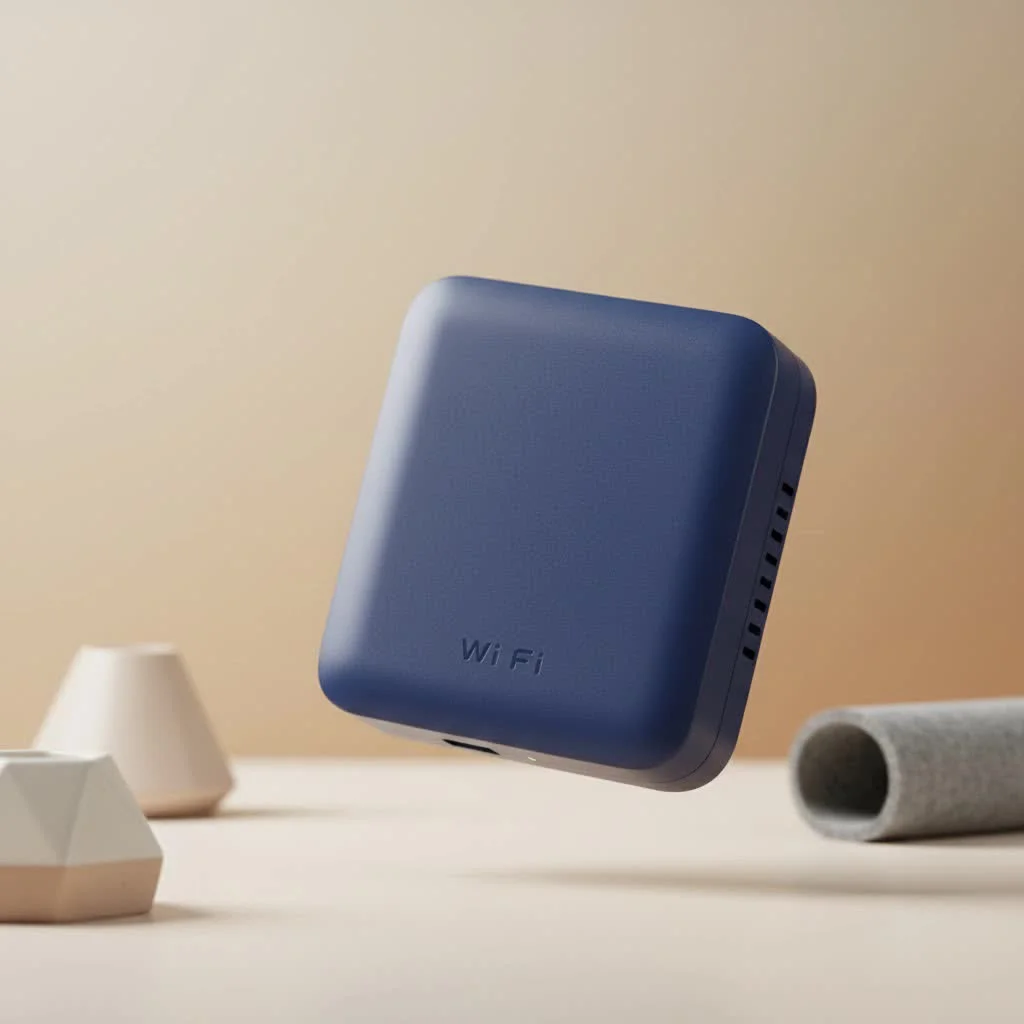
In the simplest terms, a wifi signal extender is a device that captures the existing WiFi signal from your router and rebroadcasts it to areas where the signal is weak or non-existent. Think of it as a relay station for your wireless network. It doesn’t create a new network but rather extends the perimeter of your current one. This helps eliminate those annoying dead spots, giving you seamless connectivity throughout your space.
The device works by creating two wireless connections: one to your main router and a second to your devices (like your laptop, smartphone, or smart TV). It picks up the signal from the router and then retransmits it on a new channel, effectively pushing the boundary of your network further.
How Does a WiFi Signal Extender Work?
Understanding the mechanics can help you optimize its placement and performance. Here’s a breakdown of the process:
- Signal Reception: The extender’s first antenna listens for and receives the wireless signal from your primary router. For this to work, the extender must be placed within a range where it can still get a reasonably strong signal from the router.
- Signal Amplification: Once the signal is received, the internal circuitry of the extender amplifies it.
- Signal Rebroadcast: The extender’s second antenna then broadcasts this amplified signal, creating a new, extended bubble of wireless coverage.
It’s crucial to understand that an extender can only rebroadcast the signal it receives. If it’s placed in an area with a very weak signal from the router, it will only be able to broadcast a weak signal itself. Finding the sweet spot for placement is key.
As our lead network engineer, David Chen, often says, “Placing a WiFi extender is all about balance. Too close to the router, and you won’t extend the range meaningfully. Too far, and you’re just amplifying a poor signal. The ideal spot is roughly halfway between your router and the dead zone.”
Different Types of WiFi Signal Extenders
While all extenders serve the same primary function, they come in a couple of different form factors, each suited for different needs.
Wall Plug-in Extenders
|
Our Picks for the Best Wifi Extender in 2026
As an Amazon Associate I earn from qualifying purchases.
|
||
| Num | Product | Action |
|---|---|---|
| 1 | Amazon eero 7 with 1 month free eero Plus (auto-renews) - Supports internet plans up to 2.5 Gbps, Coverage up to 2,000 sq. ft., Connect 120+ devices, 1-pack |

|
| 2 | TP-Link AX3000 WiFi 6 Range Extender - PCMag Editor\'s Choice - Dual-Band Wireless Repeater w/Ethernet Port - Up to 2400 Sq. Ft., 64 Devices - Internet Signal Booster - APP Setup - EasyMesh (RE715X) |
|
| 3 | Amazon eero 6 mesh wifi extender with 1-month free eero Plus (auto-renews) - Add up to 1,500 sq. ft. of Wi-Fi 6 coverage to your existing eero mesh wifi network |
|
| 4 | TP-Link AC1900 WiFi Range Extender RE550 - Dual-Band Wireless Repeater Amplifier w/Gigabit Ethernet Port - Up to 2200 Sq. Ft., 32 Devices - Internet Signal Booster - APP Setup - EasyMesh Compatible |
|
| 5 | TP-Link AC1200 WiFi Extender, 2023 Engadget Best Budget Pick, 1.2Gbps Signal Booster for Home, Dual Band 5GHz/2.4GHz, Covers Up to 1500 Sq.ft and 30 Devices,Support Onemesh, One Ethernet Port (RE315) |
|
| 6 | 2025 Fastest WiFi Extender, WiFi Repeater, WiFi Booster, Covers Up to 10000 Sq.ft and 80 Devices, Internet Booster - with Ethernet Port, Quick Setup, Home Wireless Signal Booster |
|
| 7 | WiFi Extender with 4 Antennas 1200Mbps - Dual Band 5GHz/2.4GHz, WiFi Extender Signal Booster with 3 Modes Support, WiFi Repeater with 12880 Sq.ft 105 Devices, Easy Set Up for Home |
|
| 8 | 2025 WiFi Extenders Signal Booster for Home Long Range Up to 9800 sq. ft & 40 Devices, WiFi Extender Signal Booster, Quick Setup-Medium, Internet Repeater, WiFi Extender |
|
| 9 | WiFi Extender, WiFi Extenders Signal Booster for Home Up to 5000 sq.ft and 50 Devices, WiFi Range Extender, Wireless Repeater, Long Range Amplifier with Ethernet Port, 1-Tap Setup, Alexa Compatible |
|
| 10 | Amazon eero 6+ mesh wifi system with 1 month free eero Plus (auto-renews) - Coverage up to 4,500 sq. ft., Connect 75+ devices, 3-pack |
|
These are the most common type you’ll find. They are compact, plug directly into an electrical outlet, and are incredibly easy to set up. Their small size makes them discreet, but they typically have less powerful antennas than their desktop counterparts. They are perfect for small to medium-sized homes with moderate dead zones.
Desktop Extenders
Desktop extenders are larger devices that look more like a traditional router. They often have multiple external antennas, more powerful internal hardware, and additional features like Ethernet ports for wired connections. These are ideal for larger homes, offices, or for users who need the best possible performance for activities like gaming or 4K streaming.
The Pros and Cons of Using a WiFi Signal Extender
Like any technology, extenders have their advantages and disadvantages.
Pros:
- Cost-Effective: They are generally much cheaper than upgrading to a more advanced solution like a mesh WiFi system.
- Easy to Install: Most models feature a simple plug-and-play setup, often with a WPS button for one-touch configuration.
- Universal Compatibility: They work with almost any standard WiFi router, so you don’t need to worry about brand matching.
- Improved Coverage: Their primary benefit is eliminating dead zones and providing a usable signal in hard-to-reach areas.
Cons:
- Reduced Speed: Because the extender has to receive and then rebroadcast the signal, there is an inherent loss of bandwidth. You can typically expect to lose up to 50% of your original speed through the extender.
- Separate Network Name (SSID): Many older or cheaper extenders create a separate network (e.g., “MyHomeNetwork_EXT”). This means you may have to manually switch between your router’s network and the extender’s network as you move around. Newer models often offer the ability to clone your existing SSID for a more seamless experience.
- Placement is Critical: As mentioned, performance is highly dependent on finding the right location.
How to Set Up Your WiFi Signal Extender: A Step-by-Step Guide
Setting up a wifi signal extender is usually straightforward. While the exact steps may vary slightly by manufacturer, here is a general guide that applies to most devices.
- Unbox and Plug In: Take the extender out of the box and plug it into a power outlet in the same room as your main router for the initial setup.
- Connect to the Extender: On your computer or smartphone, look for a new WiFi network, which is usually named after the extender’s brand (e.g., NETGEAR_EXT, TP-Link_Extender). Connect to it.
- Open the Setup Page: Once connected, open a web browser. You should be automatically redirected to the extender’s setup page. If not, you can usually access it by typing in a specific URL or IP address found in the user manual (like
mywifiext.netor192.168.1.254). - Configure the Extender: The setup wizard will guide you through the process. You’ll be asked to select your existing home WiFi network from a list and enter its password.
- Set the Extender’s Network: You will then choose a name (SSID) and password for the extended network. It’s often best practice to give it the same name and password as your main network for a more seamless experience if the device supports it.
- Relocate the Extender: Once the configuration is complete, unplug the extender and move it to its ideal location—about halfway between your router and the area with a weak signal. Use the indicator lights on the extender to ensure it’s receiving a good signal from the router. A solid green or blue light is usually what you’re looking for.
- Connect Your Devices: You can now connect your devices to the newly extended network and enjoy improved coverage.
Tips for Optimizing Your Extender’s Performance
To get the most out of your wifi signal extender, follow these best practices:
- Find the Optimal Location: Use a WiFi analyzer app on your phone to find the spot where the signal from your router is still strong but is close enough to the dead zone to provide coverage.
- Update Firmware: Regularly check the manufacturer’s website for firmware updates. These updates can improve performance, add new features, and patch security vulnerabilities.
- Avoid Obstructions: Place the extender in an open area, away from thick walls, large metal objects (like refrigerators), and other electronic devices that can cause interference (like microwaves).
- Use the 5GHz Band: If you have a dual-band extender and router, use the 5GHz band for your connection between the router and the extender. It’s faster and less prone to interference than the 2.4GHz band.
- Consider a Wired Connection: If your extender has an Ethernet port, you can use it to connect a device that requires a stable connection, like a gaming console or a desktop PC, for better performance.
WiFi Extender vs. Mesh WiFi: Which One Is Right for You?
A common question is whether to get a wifi signal extender or a mesh WiFi system.
- A WiFi extender is best for smaller homes with one or two specific dead zones. It’s a simple, budget-friendly solution for extending coverage to a limited area.
- A Mesh WiFi system replaces your existing router and consists of multiple nodes that work together to create a single, seamless network over a large area. It provides better performance and a more consistent connection as you move around. Mesh systems are ideal for large, multi-story homes or if you need high-performance coverage everywhere.
Frequently Asked Questions (FAQ)
Q: Will a wifi signal extender increase my internet speed?
A: No, a wifi signal extender does not increase your internet speed. It extends the coverage of your WiFi signal. In fact, you should expect some speed reduction when connected to the extender compared to being connected directly to your router.
Q: Can I use two WiFi extenders at the same time?
A: Yes, you can, but it is not recommended. Chaining extenders (connecting one extender to another) will significantly degrade your signal and speed. If you need to cover a very large area, a mesh WiFi system is a much better solution.
Q: Where is the best place to put my WiFi extender?
A: The best place is about halfway between your router and the WiFi dead zone. The extender needs to be close enough to the router to receive a strong signal but far enough away to extend that signal to the desired area.
Q: Does a WiFi extender work with any router?
A: Yes, nearly all modern WiFi extenders are designed to be universally compatible with any standard WiFi router, regardless of the brand.
Q: How do I know if my extender is working correctly?
A: Most extenders have LED indicator lights that show the strength of the signal they are receiving from the router. A solid green or blue light typically indicates a good connection. You can also check the WiFi signal strength on your devices in the previously dead zones.
Conclusion: Say Goodbye to Dead Zones
A wifi signal extender is a fantastic and affordable solution for anyone struggling with poor wireless coverage. By capturing and rebroadcasting your router’s signal, it effectively eliminates dead spots and ensures you can stay connected in every corner of your home or office. With a simple setup process and a variety of models available, there’s no reason to put up with a weak signal any longer. Choose the right device for your needs, find that perfect placement, and enjoy a seamless, uninterrupted internet experience.
Get our weekly buyer guide
Practical specs, not advice. Unsubscribe anytime.