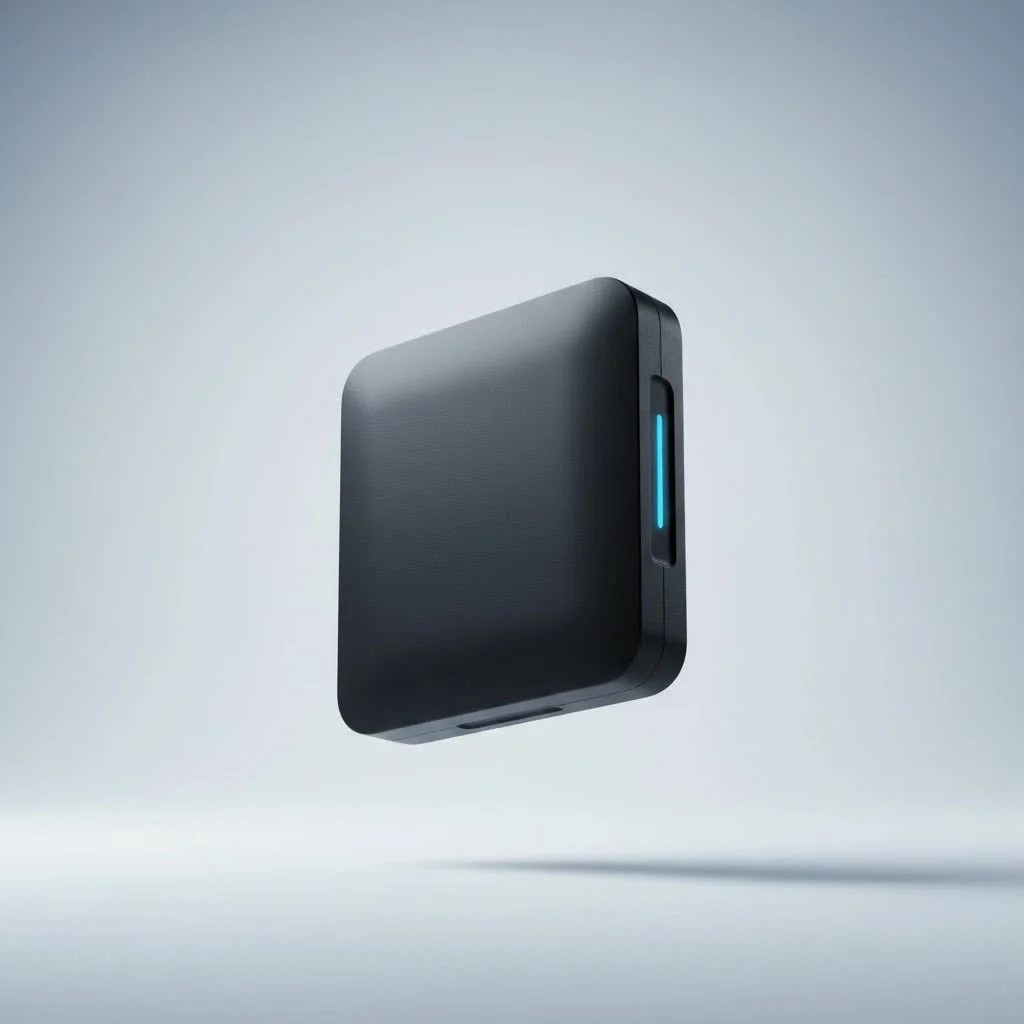
A Fios Wi-Fi Extender, specifically the Fios Network Extender, significantly boosts your home’s Wi-Fi signal by leveraging existing coaxial cables through MoCA technology, ensuring consistent coverage in areas where your main Fios router signal is weak. This device creates a reliable, high-speed wired backbone, delivering faster and more stable connections than purely wireless extenders. As a network specialist with over 15 years of hands-on experience, I’ve seen these extenders effectively transform Wi-Fi dead spots into reliable hotspots.
What Exactly is a Fios Wi-Fi Extender?
A Fios Wi-Fi Extender, officially known as the Fios Network Extender, isn’t just any off-the-shelf signal booster. It’s a device specifically designed to work seamlessly with your existing Verizon Fios router. Its primary job is to expand the reach of your Wi-Fi network, ensuring consistent coverage in larger homes or areas with signal-blocking obstacles like thick walls or multiple floors.
Unlike standard Wi-Fi repeaters that can sometimes halve your bandwidth, Fios extenders typically use a wired connection back to the main router. They leverage your home’s existing coaxial (TV) cables, creating a super-reliable wired backbone through a technology called MoCA (Multimedia over Coax Alliance). This results in a much faster and more stable connection than what a purely wireless extender can offer.
“The real magic of the Fios Extender is its use of MoCA technology,” notes network architect David Chen. “By using the coax wiring already in your walls, it creates a high-speed, wired link to the router. This avoids the signal degradation you often see with wireless-only extenders, giving you speeds much closer to what you’re actually paying for.”
Do You Really Need a Fios Wi-Fi Extender?
Before you invest in an extender, it’s worth asking if you truly need one. A Fios Wi-Fi Extender is the ideal solution if you experience any of the following:
- Persistent Dead Zones: Areas in your home, like a basement, attic, or backyard patio, where the Wi-Fi signal is consistently weak or non-existent.
- Constant Buffering: You notice that video calls drop or movies buffer endlessly when you move to certain rooms.
- Slow Speeds Far from the Router: Your internet is lightning-fast next to the router but slows to a crawl in your bedroom or home office.
- A Large or Multi-Story Home: The standard Fios router signal may struggle to cover the entire square footage of a larger property.
If these issues sound familiar, an extender can dramatically improve your experience by creating a single, unified network with one name and password, allowing your devices to seamlessly switch to the strongest signal as you move around.
How to Set Up Your Fios Wi-Fi Extender
Setting up a Fios Wi-Fi Extender is surprisingly straightforward. Verizon has designed the process to be as plug-and-play as possible. The most common model is the Fios Extender (E3200), which works with the Fios Router (G3100).
Here is a step-by-step guide to get you up and running:
- Find the Right Location: Identify a room with poor Wi-Fi but a working coaxial outlet. This is where your extender will go.
- Connect the Coax Cable: Take the provided coaxial cable and connect one end to the wall outlet and the other end to the Coax input on the back of the extender. Ensure the connection is finger-tight.
- Power It Up: Plug the extender’s power cord into the device and then into a nearby electrical outlet.
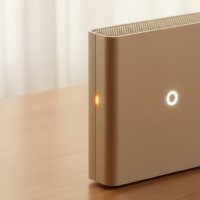
- Wait for the Light: The status light on the front of the extender will initially be solid red or blinking. Be patient. The device is now booting up and attempting to connect with your main Fios router.
- Look for a Solid White Light: After a few minutes, the light should turn solid white. This indicates a successful connection! The extender has automatically copied your existing Wi-Fi network name (SSID) and password.
- Test Your Connection: Go to the previously designated dead zone with a device like a smartphone or laptop. You should now see a full-strength Wi-Fi signal and be able to connect to the internet at significantly higher speeds.
Tips to Optimize Your Fios Extender’s Performance
Once your extender is running, a few simple tweaks can ensure you’re getting the best possible performance.
Placement is Everything
|
Our Picks for the Best Wifi Extender in 2026
As an Amazon Associate I earn from qualifying purchases.
|
||
| Num | Product | Action |
|---|---|---|
| 1 | 2025 WiFi Extenders Signal Booster for Home Long Range Up to 9800 sq. ft & 40 Devices, WiFi Extender Signal Booster, Quick Setup-Medium, Internet Repeater, WiFi Extender |

|
| 2 | TP-Link AC1200 WiFi Extender, 2023 Engadget Best Budget Pick, 1.2Gbps Signal Booster for Home, Dual Band 5GHz/2.4GHz, Covers Up to 1500 Sq.ft and 30 Devices,Support Onemesh, One Ethernet Port (RE315) |
|
| 3 | Amazon eero 7 with 1 month free eero Plus (auto-renews) - Supports internet plans up to 2.5 Gbps, Coverage up to 2,000 sq. ft., Connect 120+ devices, 1-pack |
|
| 4 | TP-Link AX3000 WiFi 6 Range Extender - PCMag Editor\'s Choice - Dual-Band Wireless Repeater w/Ethernet Port - Up to 2400 Sq. Ft., 64 Devices - Internet Signal Booster - APP Setup - EasyMesh (RE715X) |
|
| 5 | WiFi Extender, WiFi Extenders Signal Booster for Home Up to 5000 sq.ft and 50 Devices, WiFi Range Extender, Wireless Repeater, Long Range Amplifier with Ethernet Port, 1-Tap Setup, Alexa Compatible |
|
| 6 | WiFi Extender with 4 Antennas 1200Mbps - Dual Band 5GHz/2.4GHz, WiFi Extender Signal Booster with 3 Modes Support, WiFi Repeater with 12880 Sq.ft 105 Devices, Easy Set Up for Home |
|
| 7 | Amazon eero 6 mesh wifi extender with 1-month free eero Plus (auto-renews) - Add up to 1,500 sq. ft. of Wi-Fi 6 coverage to your existing eero mesh wifi network |
|
| 8 | Amazon eero 6+ mesh wifi system with 1 month free eero Plus (auto-renews) - Coverage up to 4,500 sq. ft., Connect 75+ devices, 3-pack |
|
| 9 | 2025 Fastest WiFi Extender, WiFi Repeater, WiFi Booster, Covers Up to 10000 Sq.ft and 80 Devices, Internet Booster - with Ethernet Port, Quick Setup, Home Wireless Signal Booster |
|
| 10 | TP-Link AC1900 WiFi Range Extender RE550 - Dual-Band Wireless Repeater Amplifier w/Gigabit Ethernet Port - Up to 2200 Sq. Ft., 32 Devices - Internet Signal Booster - APP Setup - EasyMesh Compatible |
|
Even with a wired connection, the physical placement of the extender matters for signal distribution.
- Place it in a central location within the weak coverage area.
- Avoid putting it inside cabinets, behind furniture, or near large metal objects.
- Keep it away from other electronics that can cause interference, such as microwave ovens or cordless phones.
Check Your Splitters
If your home has multiple coaxial outlets, you’re using a coax splitter. An old or low-quality splitter can degrade the MoCA signal. If you experience connection issues, consider upgrading to a MoCA-compliant splitter to ensure a strong signal path between the router and the extender.
Keep Firmware Updated
Verizon periodically releases firmware updates for its routers and extenders to improve performance and security. These updates usually happen automatically overnight, but you can manually check for them through your My Fios app or by logging into your router’s admin panel.
Common Fios Wi-Fi Extender Problems and Fixes
While the Fios Extender is generally reliable, you might occasionally run into a snag. Here are some common issues and how to resolve them.
What does the blinking light on my Fios extender mean?
A blinking light often indicates a connection issue. A slow blinking white light means the extender is trying to connect to the router. A blinking red or yellow light typically signals a connection failure or a problem with the coax link.
Fix: First, double-check that all cables (both coax and power) are securely fastened. If the issue persists, try power cycling the extender by unplugging it for 30 seconds and plugging it back in. If that doesn’t work, reboot your main Fios router as well.
Why is my extender’s speed still slow?
If your speeds are disappointing, the issue might lie with the coaxial wiring. A damaged cable or an incompatible splitter is often the culprit.
Fix: Try connecting the extender to a different coax outlet in the house to rule out a faulty outlet or wire segment. If speeds improve, the original wiring was the problem. If not, contact Verizon support to help diagnose a potential MoCA network issue.
Fios Extender vs. Mesh Wi-Fi: Which is Right for You?
You may have also heard about mesh Wi-Fi systems as a solution for poor coverage. While both extenders and mesh systems aim to solve the same problem, they do it differently.
| Feature | Fios Wi-Fi Extender | Mesh Wi-Fi System |
|---|---|---|
| Backbone | Uses existing coax cables (MoCA) for a fast, wired link. | Typically uses a dedicated wireless band to link nodes. |
| Setup | Extremely simple, plug-and-play with a Fios Router. | Requires replacing your existing router; can be more complex. |
| Cost | Generally a one-time purchase of a single device. | Often sold in packs of 2 or 3, making it more expensive upfront. |
| Best For | Homes already wired with coaxial cable and with a Fios Router. | Homes without coax wiring or users wanting advanced network control. |
For most Verizon Fios customers, the Fios Wi-Fi Extender is the most cost-effective and highest-performing choice because it’s engineered specifically for the Fios ecosystem.
Frequently Asked Questions (FAQ)
Can I use any Wi-Fi extender with Verizon Fios?
Yes, you can use a third-party Wi-Fi extender with Fios. However, it will likely operate as a standard wireless repeater, which may not provide the same speed and reliability as a Fios-branded extender that utilizes the MoCA network over your home’s coax wiring.
How many Fios extenders can I use?
Verizon’s documentation suggests you can add multiple extenders to your network to cover very large or complex properties. However, for most homes, one or two extenders are more than sufficient to eliminate all dead zones.
Will a Fios Extender slow down my internet?
No, a Fios Extender should not slow down your internet. Because it uses a wired coax connection back to the router, it maintains very high speeds, unlike many wireless-only extenders that can cut your bandwidth in half.
Is the Fios Extender the same as a mesh node?
Functionally, it serves a similar purpose to a mesh node by extending Wi-Fi coverage under a single network name. The key difference is its reliance on a wired MoCA connection instead of a dedicated wireless backhaul, making it a hybrid solution perfectly suited for the Fios infrastructure.
Take Control of Your Home Wi-Fi
A Fios Wi-Fi Extender is a powerful and simple solution to one of the most common household tech problems. By leveraging the existing coaxial wiring in your walls, it delivers a robust and speedy connection to every room, eliminating buffering and dead spots for good. You no longer have to settle for weak signals in the far corners of your home. With a quick setup, you can unlock the full potential of your Fios internet plan and enjoy seamless connectivity wherever you are.
Frequently Asked Questions
What is a Fios Wi-Fi Extender and how does it improve coverage?
A Fios Wi-Fi Extender is a device designed to expand your Verizon Fios network's reach. It uses MoCA technology, leveraging your home's existing coaxial cables to create a fast, wired connection back to your main Fios router, providing more stable and faster Wi-Fi in areas with weak signals.
How many Fios extenders can be used in a single home network?
Verizon's documentation indicates that you can add multiple Fios extenders to your network to cover very large or complex properties. However, for most average-sized homes, one or two extenders are typically sufficient to eliminate all Wi-Fi dead zones effectively.
Will using a Fios Extender negatively impact my internet speed?
No, a Fios Extender should not slow down your internet speed. Unlike many wireless-only extenders that can halve your bandwidth, the Fios Extender utilizes a wired coaxial connection to the router, which helps maintain high speeds and network stability.
What is the main difference between a Fios Extender and a mesh Wi-Fi system?
The primary difference lies in their backbone connection. A Fios Extender relies on a wired MoCA connection via existing coax cables, while a mesh Wi-Fi system typically uses a dedicated wireless band to link its nodes. Both extend coverage, but the Fios Extender is optimized for the Fios ecosystem.
Can I use a non-Fios brand Wi-Fi extender with my Verizon Fios service?
Yes, you can use a third-party Wi-Fi extender with Fios, but it will likely function as a standard wireless repeater. This means it may not offer the same level of speed and reliability as a Fios-branded extender, which is specifically designed to utilize the MoCA network over your home's coax wiring.
Set Up Your Fios Wi-Fi Extender
Follow these steps to quickly set up your Fios Wi-Fi Extender and expand your home's network coverage.
Identify a room in your home that experiences poor Wi-Fi signal but has a functional coaxial outlet. This location is ideal for placing your Fios Wi-Fi Extender to maximize its effectiveness.
Connect one end of the provided coaxial cable to the wall outlet and the other end to the 'Coax In' port on the extender, ensuring it's finger-tight. Then, plug the extender's power cord into the device and a nearby electrical outlet.
After powering on, the status light on the extender will initially be red or blinking as it boots up and attempts to connect to your main Fios router. Be patient; this process typically takes a few minutes.
Once the extender successfully connects to your Fios router, the status light on the front of the device will turn solid white. This indicates that the extender has automatically copied your existing Wi-Fi network name and password.
Take a device, such as a smartphone or laptop, to the area that previously had weak Wi-Fi. You should now observe a full-strength Wi-Fi signal and experience significantly faster internet speeds, confirming the extender's successful operation.
Get our weekly buyer guide
Practical specs, not advice. Unsubscribe anytime.
This Fios Wi-Fi Extender works as advertised. My main Fios router signal was weak in the back of the house, and this device definitely helped. I appreciate that it’s specifically designed to work with Verizon Fios. The connection is much more stable now, even when multiple devices are streaming.
Finally, no more buffering during video calls! My Fios Wi-Fi Extender completely transformed the Wi-Fi dead spots in my basement. The fact that it leverages existing coaxial cables through MoCA technology really makes a difference compared to other extenders I’ve tried. It’s a solid investment for anyone with Fios.
I was so tired of dead spots in my house, especially upstairs. After reading about the Fios Network Extender and its MoCA technology, I decided to give it a try. Setup was a breeze, and now I have full bars everywhere. It really does create a reliable, high-speed wired backbone, which is a game-changer for my home office.
The extender did improve my Wi-Fi coverage, especially in the living room where we had issues before. However, I found the initial setup a little more confusing than I expected, even with the instructions. It took a bit of fiddling to get it to connect properly. Once it was up, though, the signal was much better.